
Cart
0


The 5 Cs of Diamonds: Cut, Color, Clarity, Carat & Certificate

Table of Contents
- The 5 Cs of Diamonds: A Complete Guide to Diamond Quality
- What Are the 5 Cs of Diamonds?
- Diamond Cut: What Makes a Diamond Sparkle?
- Diamond Color: Understanding the Diamond Color Chart
- Diamond Clarity: A Complete Diamond Clarity Chart
- Diamond Carat: Understanding Carat Weight and Measurement
- Diamond Certification: Why a Grading Report Matters
- What Is GIA Certified?
- What Is IGI Certification?
- GIA vs. IGI: What Should You Know?
- How to Use the 5 Cs to Choose a High-Quality Diamond
- Conclusion: Understanding the 5 Cs of Diamonds
The 5 Cs of Diamonds: A Complete Guide to Diamond Quality
Choosing a diamond is an exciting experience, but understanding its quality can feel complicated when you encounter terms such as cut, color, clarity, carat, and certification. Whether you are shopping for a diamond engagement ring, wedding band, or another piece of fine jewelry, learning how to evaluate these characteristics can help you make a more informed decision.
The 5 Cs of diamonds are commonly explained as Cut, Color, Clarity, Carat Weight, and Certification. The first four are the traditional diamond quality factors, while certification refers to a grading report that documents a diamond's characteristics. Together, these factors help shoppers compare diamonds based on their appearance, weight, and documented quality.
In this guide, we will explain each of the 5 Cs, provide practical diamond quality charts, explore different diamond cuts, and answer common questions about GIA and IGI certification.
What Are the 5 Cs of Diamonds?
The 5 Cs provide a useful framework for understanding diamond quality before making a purchase. Each factor tells you something different about the diamond, and together they help you compare its appearance, characteristics, and grading information.
The five commonly discussed factors are:
- Cut: How well the diamond's facets interact with light to create brilliance and sparkle.
- Color: How much body color is visible in a diamond graded on the standard D-to-Z scale.
- Clarity: The presence and characteristics of internal inclusions and external blemishes.
- Carat: The diamond's weight rather than its physical dimensions.
- Certification: A grading report from a gemological laboratory documenting assessed characteristics.
It is important to understand that certification is not a fifth grading characteristic in the same technical sense as the first four. Instead, the report helps document those characteristics and may include additional identifying information.
1. Diamond Cut: What Makes a Diamond Sparkle?
Diamond cut is one of the most important factors to understand when evaluating a diamond's visual appeal. It describes how well a diamond has been proportioned, shaped, and finished to interact with light.


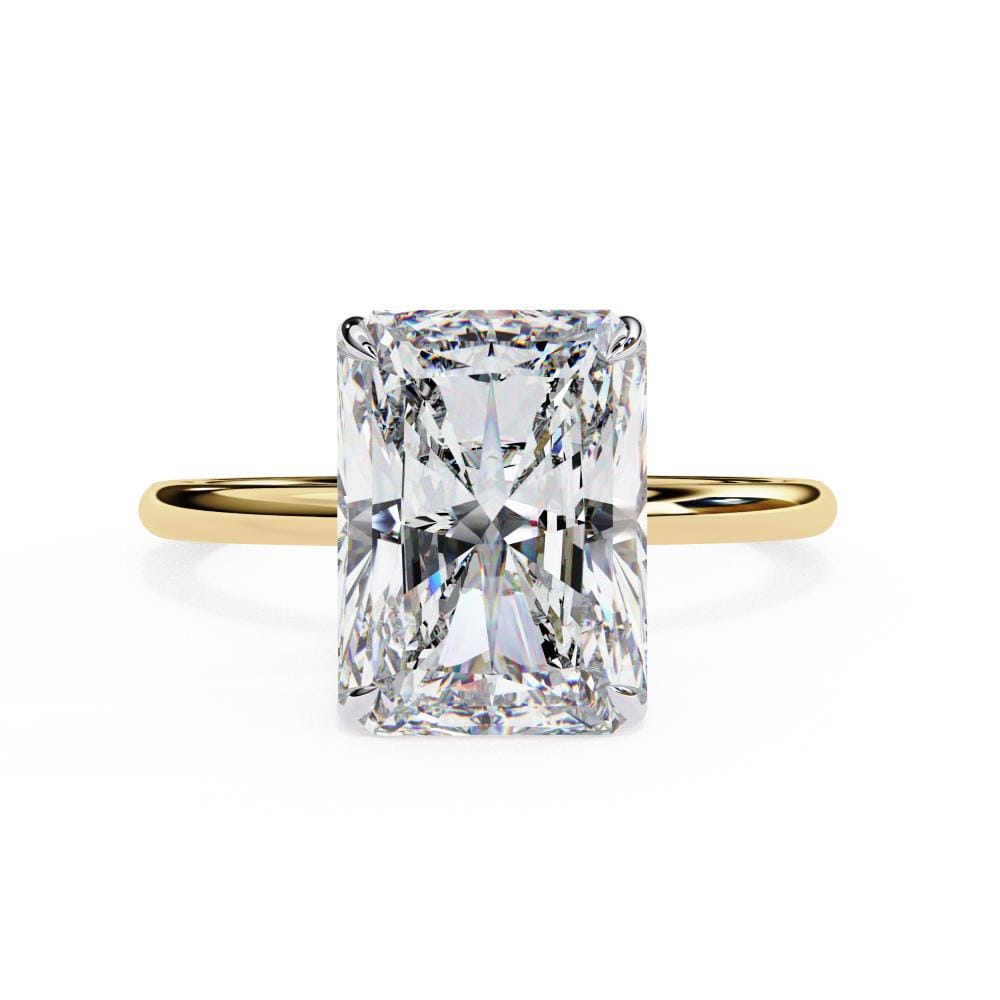
When light enters a well-cut diamond, it can reflect internally and return through the top, producing brightness, colorful flashes known as fire, and sparkle called scintillation. A poorly executed cut may allow more light to escape, making the diamond appear less lively.
Diamond Cut Grades Chart
For standard round brilliant diamonds, the GIA cut grading scale includes five grades:
| Cut Grade | General Description |
|---|---|
| Excellent | Exceptional overall light performance and craftsmanship. |
| Very Good | Strong light performance with minor differences from the highest grade. |
| Good | Attractive appearance, although light performance may be less impressive. |
| Fair | Noticeable limitations in light performance or proportions. |
| Poor | Significant limitations in overall cut appearance or performance. |
These descriptions are general guidance, not a guarantee of how every diamond will look. The five-grade cut scale applies to standard round brilliant diamonds within the relevant grading scope. Fancy shapes, such as oval, pear, emerald, and princess cuts, are not assigned an overall cut grade using that same system.

Diamond Cuts vs. Different Diamond Shapes
People often use the phrase "diamond cuts" when they mean diamond shapes. Although the terms are related, they describe different things. Cut quality concerns the diamond's proportions and light performance, while shape describes its outline.
Popular diamond shapes include:
- Round: A classic shape known for brilliant sparkle.
- Oval: An elongated shape with a graceful appearance.
- Princess: A square shape with a contemporary look.
- Emerald: A rectangular or square shape with step-cut facets and a more understated sparkle pattern.
- Cushion: A square or rectangular shape with rounded corners.
- Radiant: A square or rectangular outline with brilliant-style facets.
- Pear: A teardrop shape with one rounded end and one pointed end.
- Marquise: An elongated shape with two pointed ends.
- Asscher: A square step-cut shape with a distinctive geometric appearance.
When comparing different diamond cuts, consider both the shape you prefer and the quality of the cutting. A beautiful shape cannot compensate for every weakness in proportion, symmetry, or light performance.
2. Diamond Color: Understanding the Diamond Color Chart
Diamond color refers to the degree to which a diamond lacks noticeable body color. For standard colorless-to-light-yellow or light-brown diamonds, the commonly used D-to-Z grading scale runs from D, which represents colorless, to Z, which indicates increasing visible color.
Diamond Color Chart
| Color Grade | Category | General Description |
|---|---|---|
| D–F | Colorless | Little to no noticeable body color. |
| G–J | Near Colorless | Slight color may be difficult to notice without comparison. |
| K–M | Faint | More noticeable warmth. |
| N–R | Very Light | Clearly more visible body color. |
| S–Z | Light | Increasing yellow or brown tint. |
This chart is a simplified guide to the standard D-to-Z color scale. Actual appearance varies with lighting, diamond shape, setting, and the viewer's perception.
What Is the Best Diamond Color?
D is the highest grade on the standard D-to-Z color scale for colorlessness, but it is not automatically the best choice for every shopper. Near-colorless diamonds can look attractive and may offer more flexibility within a budget.

For an engagement ring, consider the diamond shape and the metal color of the setting. Yellow gold can complement a slightly warmer-looking diamond, while white gold may make color differences more noticeable.
As you compare diamond jewelry at KRK Jewels, consider your preferred color grade, the metal color of the setting, and your budget. Looking at these factors together can help you choose a diamond that complements your style.
Shopping tip: Compare diamonds in similar lighting and view them both loose, when possible, and in their intended setting. The color grade is useful, but the overall appearance matters too.
3. Diamond Clarity: A Complete Diamond Clarity Chart
Diamond clarity describes internal characteristics called inclusions and surface characteristics called blemishes. These may form naturally as a diamond develops or arise during cutting and polishing.
Diamond clarity is assessed by considering the size, number, location, and nature of these characteristics. The standard GIA clarity scale contains 11 grades, ranging from Flawless to Included, with assessments made under controlled conditions that include examination at 10× magnification.
Diamond Clarity Chart
| Clarity Grade | Full Name | General Meaning |
|---|---|---|
| FL | Flawless | No inclusions or blemishes visible under the grading conditions. |
| IF | Internally Flawless | No inclusions; minor surface blemishes may be present. |
| VVS1–VVS2 | Very, Very Slightly Included | Extremely difficult-to-see inclusions. |
| VS1–VS2 | Very Slightly Included | Minor inclusions that are difficult to see under magnification. |
| SI1–SI2 | Slightly Included | Inclusions are more readily visible under magnification. |
| I1–I3 | Included | Inclusions may affect transparency, appearance, or durability. |
The precise grade depends on a professional assessment of the individual diamond.
Which Diamond Clarity Is Best?
The best clarity grade depends on your budget, the diamond's shape, and whether inclusions are visible to the unaided eye. You do not always need a flawless or internally flawless diamond to achieve a beautiful appearance.

Some VS and SI diamonds may look clean to the naked eye, but this depends on the individual stone. For example, inclusions can be more noticeable in an emerald-cut diamond because its broad, open facets reveal internal characteristics differently from many brilliant-cut designs.
If you are choosing a diamond engagement ring, inspect the actual stone or request clear, magnified photographs or videos before purchasing. Prioritize a diamond that looks attractive to you and has no clarity-related durability concerns.
4. Diamond Carat: Understanding Carat Weight and Measurement
Diamond carat measures weight, not the diamond's diameter or face-up size. One metric carat equals 200 milligrams, or 0.2 grams, and one carat is divided into 100 points. A 0.50-carat diamond weighs half a carat, while a 2.00-carat diamond weighs two carats.
Diamond Carat Measurement Chart
| Carat Weight | Weight in Milligrams | Weight in Grams |
|---|---|---|
| 0.25 ct | 50 mg | 0.05 g |
| 0.50 ct | 100 mg | 0.10 g |
| 0.75 ct | 150 mg | 0.15 g |
| 1.00 ct | 200 mg | 0.20 g |
| 1.50 ct | 300 mg | 0.30 g |
| 2.00 ct | 400 mg | 0.40 g |
| 3.00 ct | 600 mg | 0.60 g |
Does a Higher Carat Weight Mean a Bigger Diamond?
Not necessarily. Two diamonds with the same carat weight can have different face-up dimensions because their shapes, proportions, and cutting styles differ. An elongated oval or marquise diamond, for example, may appear larger from above than a round diamond of the same weight.
Carat weight can also affect price, but it should not be considered in isolation. Cut, color, clarity, shape, and overall quality all influence a diamond's value.
When shopping for an engagement ring, consider the balance between carat weight and appearance. A well-proportioned diamond that suits your preferred style may be a better choice than a heavier stone with less appealing visual qualities.
5. Diamond Certification: Why a Grading Report Matters
Diamond certification is a widely used term for an independent diamond grading report. A gemological laboratory assesses a diamond and documents characteristics such as its weight, color, clarity, measurements, and, where applicable, cut grade.

A report can help you compare diamonds using consistent information instead of relying solely on a seller's description. It may also include a report number and identifying details that can be checked through the issuing laboratory's official verification service.
What Is GIA Certified?
GIA stands for the Gemological Institute of America, an independent nonprofit organization known for diamond research, education, and grading. A GIA diamond grading report documents the characteristics assessed by its laboratory under its grading system.
When someone asks what "GIA certified" means, they generally mean that a diamond has been evaluated by GIA and is accompanied by a GIA report. Technically, the report describes the diamond; it is not a guarantee of investment value or future resale price.
You can verify an applicable report through the official GIA Report Check.
What Is IGI Certification?
IGI stands for the International Gemological Institute. IGI issues grading reports for natural diamonds, laboratory-grown diamonds, and certain finished jewelry items. Depending on the report type, it can document diamond characteristics, origin, and other identifying details.
If a diamond is described as IGI certified, review the report to understand exactly what was assessed. Check the diamond's origin, carat weight, color, clarity, cut information where applicable, and report number.
You can use the official IGI report verification service to check eligible reports.
GIA vs. IGI: What Should You Know?
Both organizations provide grading reports, but their reports and grading scopes may differ according to the type of diamond and service provided. Rather than assuming that two reports are interchangeable, read the details and compare diamonds using the information relevant to each stone.
When evaluating a diamond, look for:
- A report from an identifiable gemological laboratory.
- A report number that matches the document and diamond where applicable.
- Clear disclosure of whether the diamond is natural or laboratory-grown.
- Documented carat weight, color, and clarity.
- Cut information and other details appropriate to the diamond's shape and report type.
Certification supports informed shopping, but it does not replace reviewing the diamond's actual appearance, setting, craftsmanship, or the seller's policies.
How to Use the 5 Cs to Choose a High-Quality Diamond
Understanding the 5 Cs is most useful when you consider all the factors together rather than focusing on one grade alone. A larger diamond is not necessarily more attractive, and the highest clarity grade is not always necessary for a beautiful engagement ring.
Use this practical checklist when comparing options:
- Start with cut and appearance. Look for attractive sparkle and balanced proportions.
- Compare color grades. Decide how colorless you want the diamond to look and how the setting may influence its appearance.
- Choose suitable clarity. Look for a stone that appears clean to your eyes and has no concerning durability issues.
- Set your carat-weight preference. Compare dimensions as well as weight to understand the diamond's visible size.
- Review the grading report. Confirm the report details and verify the number through the issuing laboratory when possible.
- Consider the complete ring. Check the metal, setting, comfort, craftsmanship, warranty, and return policy.
For shoppers exploring diamond engagement rings at KRK Jewels, these steps can make it easier to understand product specifications and compare designs according to personal preferences and budget.
Conclusion: Understanding the 5 Cs of Diamonds
The 5 Cs of diamonds—cut, color, clarity, carat weight, and certification—provide a helpful starting point for making an informed jewelry purchase. The first four describe important diamond characteristics, while a grading report documents relevant information about the stone.
By understanding diamond cut grades, color and clarity charts, carat measurements, and GIA and IGI reports, you can compare diamonds more confidently. When exploring diamond engagement rings and other fine jewelry at KRK Jewels, use these factors to evaluate product specifications and find a design that suits your preferences and budget.
Ultimately, the right diamond is one that balances appearance, documented quality, budget, and personal preference. Take time to review the details and choose a diamond that feels right for your occasion.
FAQS
What are the 5 Cs of diamonds?
The 5 Cs commonly refer to cut, color, clarity, carat weight, and certification. The first four are the established diamond quality factors, while certification refers to a grading report that documents a diamond's characteristics.
What is the most important C in diamonds?
Cut is often a priority for shoppers who want maximum sparkle because it influences how a diamond interacts with light. However, the importance of each factor depends on your preferences, budget, and the appearance you want.
How can you tell if a diamond is high quality?
Evaluate its cut or cutting quality, color, clarity, carat weight, and grading report. Also inspect the diamond's actual appearance, proportions, transparency, and craftsmanship. No single grade tells the whole story.
What does C mean in diamonds?
The traditional 4Cs stand for Cut, Color, Clarity, and Carat Weight. In the commonly discussed 5 Cs framework, the additional C stands for Certification.
What is the best diamond color grade?
D is the highest grade for colorlessness on the standard D-to-Z diamond color scale. However, near-colorless diamonds can also look beautiful, depending on their shape, setting, lighting, and your personal preference.
What is the best diamond clarity grade?
Flawless (FL) is the highest grade on the GIA clarity scale. However, you may not need the highest grade to find a diamond that looks clean to the naked eye. The visibility and location of inclusions matter as well.
What is a good carat weight for an engagement ring?
There is no single ideal carat weight. Consider your budget, preferred diamond shape, finger proportions, and desired appearance. Compare face-up measurements as well as carat weight because diamonds of equal weight can look different in size.
What is the difference between diamond cut and diamond shape?
Diamond cut refers to proportions, facet arrangement, and craftsmanship that influence light performance. Diamond shape describes the outline, such as round, oval, princess, pear, or emerald.
What is GIA certified?
The term generally refers to a diamond accompanied by a grading report issued by the Gemological Institute of America (GIA). The report documents assessed characteristics and can be checked through GIA's official report verification service.
What is IGI certification?
IGI certification commonly refers to a grading report issued by the International Gemological Institute. IGI reports can cover natural and laboratory-grown diamonds, with information depending on the report type.
Is GIA better than IGI for diamonds?
Both laboratories issue diamond grading reports. The best way to compare diamonds is to review each report's scope and documented characteristics, verify the report, and assess the actual stone rather than relying on the laboratory name alone.
Why is diamond certification important?
A grading report provides documented information about a diamond's characteristics, helping buyers compare stones and check the details supplied by a seller. It does not guarantee future resale value or investment performance.
Can two diamonds with the same carat weight have different prices?
Yes. Diamonds of the same carat weight can differ in cut quality, color, clarity, proportions, shape, and overall appearance. These differences can affect their prices.
Are lab-grown diamonds graded using the 4Cs?
Yes. Lab-grown diamonds can be evaluated using cut, color, clarity, and carat weight. A report may also identify their laboratory-grown origin. Always check the report to confirm the type of diamond being described.
What should I check before buying a diamond engagement ring?
Review the diamond's grading report, cut or cutting quality, color, clarity, carat weight, and visible appearance. Also consider the setting, metal, craftsmanship, return policy, and warranty before making your purchase.
See What our Customers Say
Still Thinking? Read our Guarantee & Shop with Confidence
Written & Reviewed by

Recent Post


